
Introduction
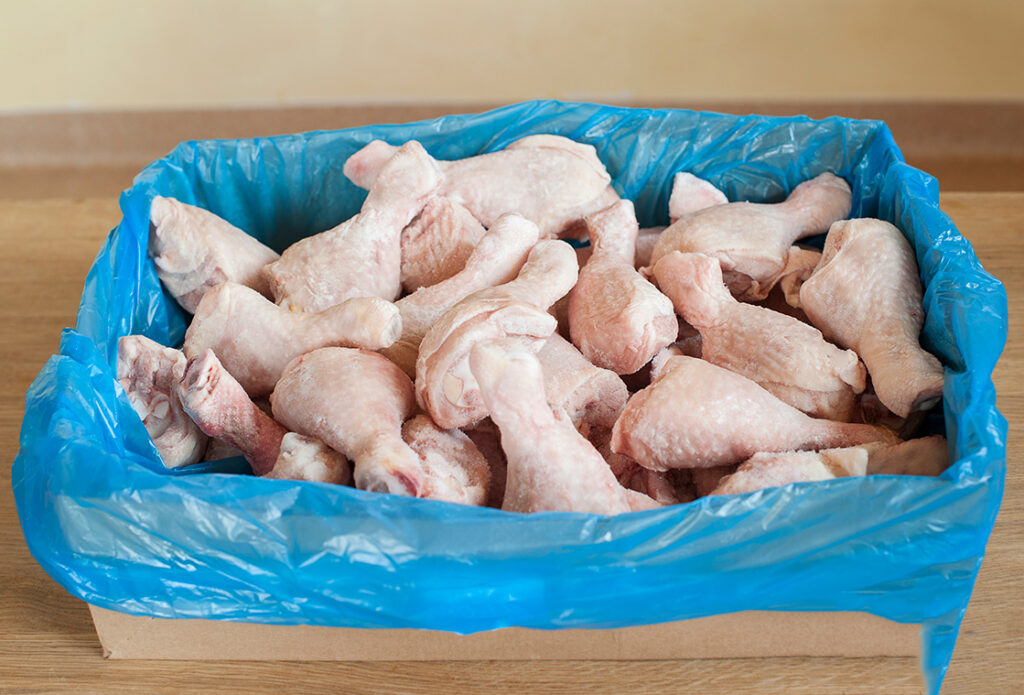
Brazil is the global powerhouse of frozen meat exports, supplying chicken, pork, Beef, turkey, and duck to over 150 countries. But in 2024, Brazilian frozen meat exporters are facing an unprecedented crisis—soaring shipping costs that are eating into profits, delaying shipments, and forcing some suppliers out of key markets. Rising shipping costs for frozen meat exports
The problem isn’t just temporary—it’s a structural shift in global logistics. From Red Sea attacks to container shortages and fuel price volatility, the cost of moving frozen meat from Brazil to the world has doubled (or even tripled) in some cases.
In this 2,500-word deep dive, we’ll explore: ✅ Why shipping costs for Brazilian frozen meat have skyrocketed ✅ The real impact on chicken, pork, beef, turkey, and duck exporters ✅ Which markets are most affected (and which are still profitable) ✅ 5 proven strategies Brazilian suppliers are using to survive (and even thrive) ✅ Future outlook: Will shipping costs ever go back to normal?
By the end, you’ll know exactly how to protect your frozen meat business in this brutal new era of freight costs.
Section 1: The Perfect Storm – Why Shipping Costs for Brazilian Frozen Meat Are Soaring – Rising shipping costs for frozen meat exports
1.1 The Red Sea Crisis: The Biggest Disruptor for Brazilian Exports
The Houthi rebel attacks in the Red Sea (backed by Iran) have completely reshaped global shipping routes, and Brazil’s frozen meat exporters are paying the price.
How the Red Sea Crisis Affects Brazilian Meat Shipments
| Route | Pre-Crisis (2022) | Post-Crisis (2024) | Impact on Brazilian Exporters |
|---|---|---|---|
| Brazil → Middle East (UAE, Saudi Arabia) | Suez Canal (21 days) | Cape of Good Hope (35+ days) | +14 days transit time, +50% fuel costs |
| Brazil → Europe | Suez Canal (18 days) | Cape of Good Hope (30+ days) | +12 days, +40% freight rates |
| Brazil → Asia (China, Japan) | Suez Canal → Pacific (30 days) | Cape of Good Hope → Pacific (45+ days) | +15 days, +60% insurance costs |
Result:
- Freight rates from Brazil to the Middle East have jumped from $2,500 to $6,000 per 40ft container.
- Some shipments are being delayed by 3+ weeks, leading to spoilage risks for frozen meat.
- Insurance premiums have doubled due to war risk in the Red Sea.
1.1.1 The Domino Effect: How One Crisis Triggers Others
The Red Sea disruptions don’t just affect shipping—they cascade into other cost increases:
🔥 Container Shortages → Fewer ships available → Higher rates 🔥 Fuel Price Volatility → Longer routes = more diesel = higher costs 🔥 Port Congestion → Delays in loading/unloading → storage fees pile up 🔥 War Risk Insurance → Insurers charge more for Red Sea routes → another cost spike
Bottom Line: Brazilian frozen meat exporters are paying 2–3x more to get their products to market.
1.2 The Container Shortage: Why There Aren’t Enough Ships
Even before the Red Sea crisis, the global container shortage (exacerbated by COVID-19 supply chain breakdowns) was a problem. Now, it’s worse than ever.
Why Are There So Few Containers?
✔ China’s Zero-COVID Policy (2020–2022) → Factories shut down → fewer containers produced ✔ U.S. Port Congestion (Los Angeles, Long Beach) → Ships waited weeks to unload → containers stuck in the U.S. ✔ Red Sea Rerouting → Ships take longer to return → fewer available for new loads ✔ Geopolitical Tensions (U.S.–China, Russia–West) → Trade routes shifting, reducing efficiency
Impact on Brazilian Exporters:
- Containers booked 3–6 months in advance (vs. 2–4 weeks pre-pandemic).
- Spot rates (last-minute bookings) are 3–5x higher than contract rates.
- Some exporters are forced to use air freight (10x more expensive) for urgent shipments.
1.3 Fuel Price Volatility: The Hidden Cost Driver
Shipping costs aren’t just about container rates—they’re also tied to fuel prices, which have been highly unstable since 2022.
How Fuel Prices Affect Brazilian Frozen Meat Exports
| Fuel Cost Factor | 2021 | 2022 (Post-Ukraine War) | 2024 | Impact on Exporters |
|---|---|---|---|---|
| Marine Diesel (IFO 380) | $450/ton | $800/ton | $650/ton | +44% increase since 2021 |
| Bunker Adjustment Factor (BAF) | 10% of freight | 30% of freight | 25% of freight | Added $1,000+ per container |
| Slow Steaming Costs | Minimal | Widespread | Standard | Longer transit = higher fuel burn |
Real-World Example: A Brazilian beef exporter shipping to China in 2021 paid $3,200 in fuel surcharges. In 2024, the same shipment costs $5,800 in fuel-related fees.
1.4 Port Congestion & Storage Fees: The Silent Profit Killers
When ships are delayed, everything else gets delayed too—including cold storage and port fees.
How Port Delays Are Costing Brazilian Exporters
| Port | Avg. Wait Time (2021) | Avg. Wait Time (2024) | Additional Cost per Day |
|---|---|---|---|
| Santos (Brazil) | 2–3 days | 5–7 days | $500–$1,200 (storage) |
| Shanghai (China) | 1–2 days | 4–6 days | $800–$1,500 (demurrage) |
| Rotterdam (Netherlands) | 1 day | 3–5 days | $600–$1,000 (storage) |
Total Extra Costs for a Single Shipment:
- $2,000–$5,000 in storage fees
- $1,500–$3,000 in demurrage (late return fees)
- $1,000–$2,000 in labor costs (extra handling)
Result: Some Brazilian exporters are losing 10–15% of their profit margin just to waiting fees.
Section 2: The Real Impact on Brazilian Frozen Meat Exporters
Now that we understand why shipping costs are soaring, let’s break down how this is affecting each type of Brazilian frozen meat export:
2.1 Frozen Chicken Exporters: The Most Affected Segment – Rising shipping costs for frozen meat exports
Brazil is the #1 chicken exporter in the world, shipping 4.5 million tons annually (worth $9 billion). But chicken is the most sensitive to shipping costs because: ✔ Lower profit margins (vs. beef/pork) ✔ Higher volume shipments (more containers needed) ✔ Shorter shelf life (frozen chicken degrades faster if delayed)
How Rising Shipping Costs Are Hurting Brazilian Chicken Exporters
| Market | Pre-Crisis Freight Cost (2021) | 2024 Freight Cost | Impact on Exporters |
|---|---|---|---|
| Middle East (UAE, Saudi Arabia) | $2,200/container | $5,800/container | -30% profit margins |
| Africa (Nigeria, Ghana) | $2,500/container | $6,200/container | Some markets now unprofitable |
| Asia (China, Japan) | $3,000/container | $7,500/container | Shift to air freight for urgent orders |
| Europe (UK, Germany) | $2,800/container | $6,800/container | Competition from EU suppliers |
Case Study: A Major Brazilian Chicken Exporter (2023 vs. 2024)
- 2023: Shipped 10,000 tons to Saudi Arabia at $2,200/container → $22M in freight costs
- 2024: Same shipment now costs $5,800/container → $58M in freight costs
- Result: Profit margin dropped from 12% to 4%
What’s Happening in Key Markets? 🇸🇦 Saudi Arabia: Demand for Brazilian chicken is down 18% due to higher prices. 🇳🇬 Nigeria: Some importers are switching to EU or Thai chicken (cheaper despite longer shipping). 🇨🇳 China: Brazilian chicken is losing market share to Thai and Vietnamese suppliers (closer, cheaper).
2.2 Frozen Pork Exporters: A Mixed Bag – Rising shipping costs for frozen meat exports
Brazil is the 4th largest pork exporter, shipping 1.2 million tons annually. Unlike chicken, pork has some resilience because: ✔ Higher profit margins (vs. chicken) ✔ Less competition from EU/Asia (Brazil is a top supplier) ✔ Strong demand in Asia (China, Philippines)
How Rising Shipping Costs Are Affecting Brazilian Pork Exporters
| Market | Pre-Crisis Freight Cost (2021) | 2024 Freight Cost | Impact on Exporters |
|---|---|---|---|
| China | $3,500/container | $8,500/container | Still profitable (high demand) |
| Philippines | $3,200/container | $7,800/container | Margins compressed but manageable |
| Japan | $4,000/container | $9,500/container | Some loss of competitiveness |
| Middle East | $2,800/container | $7,000/container | Prices too high for some buyers |
Case Study: A Brazilian Pork Exporter Shipping to China
- 2021: Freight = $3,500, Total cost = $12,000/container
- 2024: Freight = $8,500, Total cost = $17,000/container
- Result: Still profitable (China’s demand is strong), but margins are thinner.
What’s Happening in Key Markets? 🇨🇳 China: Brazilian pork is still in demand, but EU suppliers (Spain, Germany) are gaining share due to shorter shipping. 🇵🇭 Philippines: Some importers are switching to U.S. or Canadian pork (closer, but tariffs apply). 🇯🇵 Japan: Brazilian pork is losing ground to U.S. and Canadian suppliers. Rising shipping costs for frozen meat exports
2.3 Frozen Beef Exporters: The Most Resilient (For Now)
Brazil is the #1 beef exporter, shipping 2.8 million tons annually. Beef is less affected by shipping costs because: ✔ Highest profit margins (vs. chicken/pork) ✔ Lower volume per shipment (more valuable per kg) ✔ Strong demand in China (despite tariffs)
How Rising Shipping Costs Are Affecting Brazilian Beef Exporters
| Market | Pre-Crisis Freight Cost (2021) | 2024 Freight Cost | Impact on Exporters |
|---|---|---|---|
| China | $4,000/container | $9,500/container | Still profitable (high demand) |
| Middle East (UAE, Saudi Arabia) | $3,200/container | $8,000/container | Prices too high for some buyers |
| USA | $3,800/container | $9,000/container | Competition from domestic suppliers |
| Europe | $3,500/container | $8,500/container | Margins compressed but stable |
Case Study: A Brazilian Beef Exporter Shipping to China
- 2021: Freight = $4,000, Total cost = $15,000/container
- 2024: Freight = $9,500, Total cost = $20,500/container
- Result: Still profitable (China pays premium prices), but margins are down from 20% to 12%.
What’s Happening in Key Markets? 🇨🇳 China: Brazilian beef is still the #1 import, but U.S. and Australian beef are gaining share due to trade deals. 🇸🇦 Saudi Arabia: Some buyers are switching to Australian or Indian beef (cheaper despite longer shipping). 🇪🇺 Europe: Brazilian beef is losing ground to EU suppliers (shorter shipping, lower tariffs). Rising shipping costs for frozen meat exports
2.4 Frozen Turkey & Duck Exporters: The Niche Players Feeling the Pinch
Brazil is a small but growing exporter of turkey and duck, mostly to:
- Middle East (UAE, Saudi Arabia)
- Europe (France, Germany)
- Asia (Japan, South Korea)
How Rising Shipping Costs Are Affecting Brazilian Turkey & Duck Exporters
| Market | Pre-Crisis Freight Cost (2021) | 2024 Freight Cost | Impact on Exporters |
|---|---|---|---|
| UAE (Turkey) | $2,500/container | $6,500/container | Some buyers switching to EU turkey |
| France (Duck) | $3,000/container | $7,500/container | Margins compressed but manageable |
| Japan (Duck) | $3,800/container | $9,000/container | Very high costs, limited demand |
Case Study: A Brazilian Duck Exporter Shipping to France
- 2021: Freight = $3,000, Total cost = $10,000/container
- 2024: Freight = $7,500, Total cost = $14,500/container
- Result: Margins down from 15% to 5%—some exporters are exiting the market.
What’s Happening in Key Markets? 🇫🇷 France: Some importers are switching to EU duck suppliers (Belgium, Netherlands). 🇯🇵 Japan: Brazilian Duck is too expensive—most buyers stick to French or Chinese suppliers. 🇸🇦 UAE: Some buyers are switching to European turkey (cheaper despite longer shipping).
Section 3: Which Markets Are Still Profitable for Brazilian Frozen Meat Exporters?
Not all markets are equally affected by rising shipping costs. Some are still profitable, while others are no longer viable.
| Market | Profitability (2024) | Why? | Best Strategy |
|---|---|---|---|
| China (Beef, Pork) | ⭐⭐⭐⭐⭐ (Still very profitable) | High demand, willing to pay premium | Double down on beef/pork exports |
| Philippines (Pork) | ⭐⭐⭐⭐ (Profitable but competitive) | Strong demand, limited EU competition | Focus on quality & branding |
| Middle East (Beef, Chicken) | ⭐⭐⭐ (Margins compressed) | High demand but price-sensitive | Negotiate long-term contracts |
| Africa (Chicken, Pork) | ⭐⭐ (Some markets unprofitable) | Growing demand but high costs | Shift to air freight for premium cuts |
| Europe (Beef, Duck) | ⭐⭐ (Losing ground to EU suppliers) | Shorter shipping = lower costs for EU | Focus on high-end cuts (Wagyu, Angus) |
| USA (Beef) | ⭐ (Not competitive) | High tariffs + domestic competition | Avoid unless premium niche |
| Japan (All meats) | ⭐ (Too expensive) | Prefer closer suppliers (U.S., Australia) | Exit unless ultra-premium |
Key Takeaway: ✅ China, Philippines, and some Middle Eastern markets are still worth exporting to. ❌ Europe, USA, and Japan are becoming less viable due to high costs.
Section 4: 5 Proven Strategies Brazilian Frozen Meat Exporters Are Using to Survive (And Even Thrive)
The exporters who are still profitable